Is Ceramic Coating Worth It? A Professional Guide
Ceramic coating is worth considering for daily drivers and newer vehicles because it provides 2 to 5 years of paint protection, resists UV exposure and chemical contaminants, and makes routine washing easier. However, its value depends on paint condition, ownership plans, maintenance habits, and exposure to North County San Diego’s coastal environment.
Key Takeaways
- Professional ceramic coating typically lasts 2 to 5 years, while some products advertise protection for up to 10 years under specified conditions.
- SiO2 coatings provide hydrophobic properties and resistance to UV exposure, bird droppings, tree sap, and chemical contaminants.
- Professional application includes decontamination, an IPA wipe-down, and paint correction when needed, while DIY kits typically last 1 to 2 years.
- Wax lasts 1 to 3 months, while paint sealant typically lasts 4 to 12 months.
- Ceramic coating does not prevent rock chips, deep scratches, or impact damage; it protects the surface, not against physical impact.
What Is Ceramic Coating and How Does It Work?
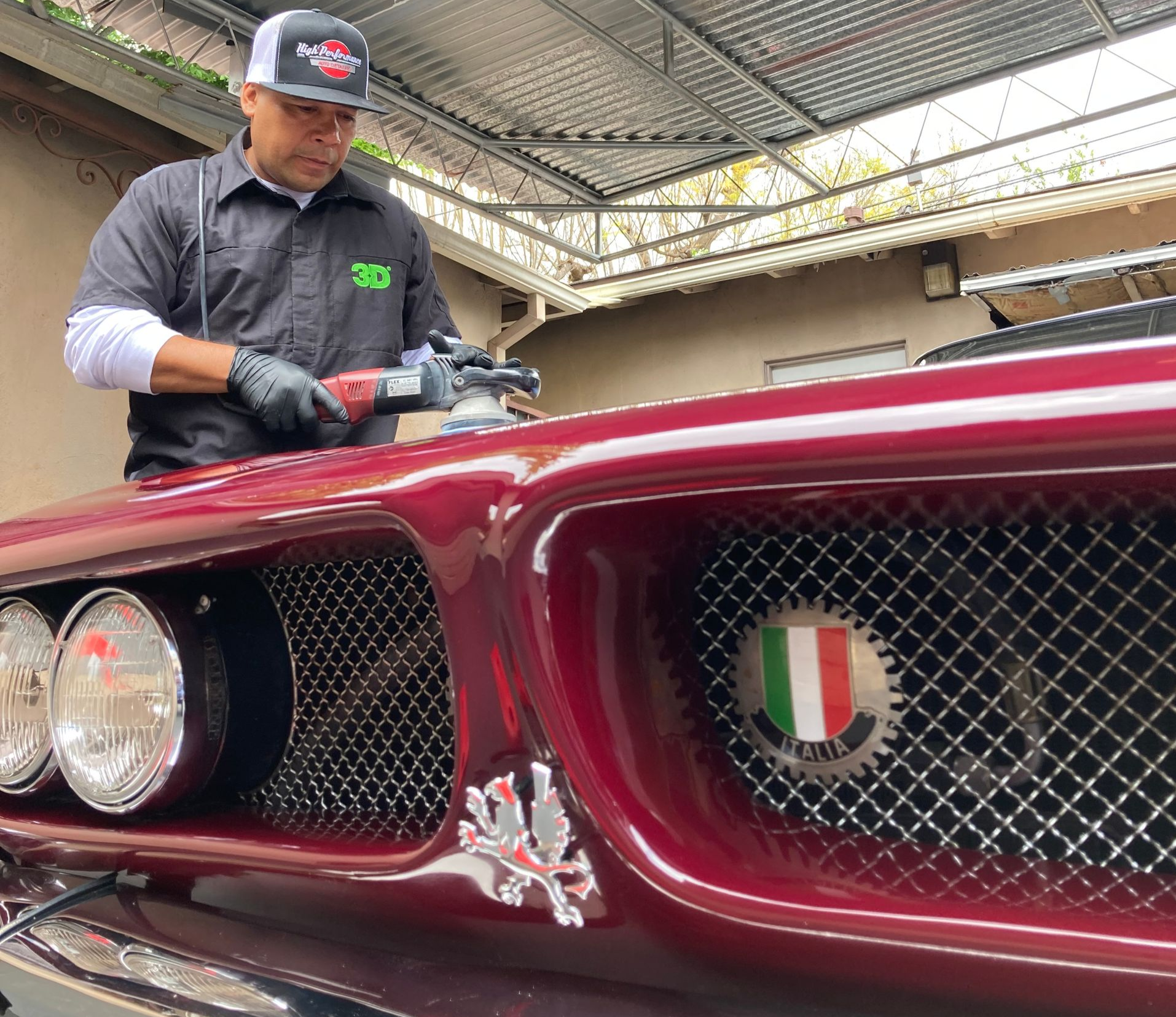
Ceramic coating is a liquid paint protection product, commonly formulated with silicon dioxide (SiO2), that bonds to a vehicle’s clear coat to create a durable, hydrophobic surface. Depending on the product and maintenance, professional coatings typically provide 2 to 5 years of protection. Unlike traditional wax, ceramic coating forms a more durable protective layer that helps resist UV exposure, chemical contamination, and everyday grime. This bond contributes to the coating’s gloss, water-repellent properties, and longer service life.
The hydrophobic effect makes water bead and sheet off the treated surface more easily, helping dirt and contaminants release during washing. This property supports easier maintenance for vehicles exposed to coastal conditions throughout North County San Diego, and fewer wax reapplications are part of why the long-term
cost of ceramic coating can compare favorably with traditional protection.
Key Benefits of Ceramic Coating: Protection and Performance
Ceramic coating helps preserve automotive paint by improving resistance to UV exposure, chemical contaminants, and environmental buildup while enhancing gloss and simplifying maintenance. UV resistance is particularly relevant across North County San Diego, from coastal Oceanside and Solana Beach to inland San Marcos and Vista, where vehicles receive substantial sun exposure throughout the year. Chemical resistance also helps protect against bird droppings, tree sap, and other contaminants that can stain or etch exposed paint when left untreated. The coating creates a sacrificial protective layer that is generally easier to clean than untreated paint, although contaminants should still be removed promptly.
Gloss and easier maintenance are two other noticeable benefits of ceramic coating. Its reflective finish can look wetter than traditional wax, while its slick surface helps reduce dirt accumulation and makes routine washing easier. However, ceramic coating only offers limited resistance to minor wash-related marring and does not eliminate scratches or swirl marks. That is why preparation quality, including paint correction when needed, directly affects the final appearance.
“Detailing is about precision, and revitalizing or maintaining an ever-aging vehicle to the level of ‘like new’ is quite an artistic challenge.”
Jose “Arturo” Junco, IDA CD-SV Certified Detailer (20+ years)
This emphasis on precision matters because ceramic coating preserves the condition of the surface beneath it rather than correcting existing paint defects. Swirls, scratches, and oxidation that remain after preparation can still be visible once the coating cures. Proper preparation is therefore a central part of the application process.
What Ceramic Coating Does NOT Protect Against
Ceramic coating does not prevent rock chips, deep scratches, or physical impact damage because its purpose is surface protection, not impact absorption. A cured coating is a very thin layer, so a flying stone, a key scratch, or a parking-lot bump can still reach the paint underneath.
This distinction matters for owners who drive frequent highway miles or park near construction. The coating keeps paint easier to clean and helps it resist chemical etching, but chips still need touch-up paint, and deeper scratches may need
paint correction in Encinitas or refinishing. Setting this expectation before application avoids disappointment later.
Professional vs. DIY Ceramic Coating: Cost and Longevity Comparison
Professional ceramic coating typically costs $500 to $2,000, with premium packages ranging from $1,500 to $3,000. DIY kits generally cost $75 to $200 but usually provide 1 to 2 years of protection. The price difference reflects more than the coating product itself. Professional application typically includes vehicle decontamination, an IPA wipe-down, paint correction when needed, controlled coating application, and final inspection. These steps help the coating bond properly and produce a more consistent finish, while DIY results depend heavily on preparation, environmental conditions, and technique.
Cost per year offers another way to compare the investment. A $1,000 professional coating rated for four years costs about $250 per year. A $150 DIY kit lasting one year costs $150 per year, but it comes with less thorough preparation and no professional inspection. The estimates below show how package price and advertised durability affect annual ownership cost.
| Option | Typical Cost | Typical Lifespan | Approximate Annual Cost |
|---|---|---|---|
| Professional ceramic coating | $500 to $2,000 | 2 to 5 years | Varies by package and actual lifespan |
| Premium ceramic coating | $1,500 to $3,000 | Up to 10 years, depending on product and conditions | $150 to $300 if it lasts the full 10 years |
| DIY ceramic kit | $75 to $200 | 1 to 2 years | About $38 to $200 |
Annual cost estimates are illustrative, not guaranteed ownership costs. Actual durability depends on the coating product, preparation, installation, washing habits, and environmental exposure. DIY installation may take an afternoon, while professional work often requires 1 to 4 days, depending on paint condition, correction requirements, application, and curing time. For owners planning to keep a vehicle beyond three years, professional ceramic coating may offer better long-term value through more thorough preparation and a longer-lasting finish.
Why Professional Prep and Paint Correction Matter
Professional ceramic coating requires thorough surface preparation, including decontamination, clay bar treatment when necessary, paint correction when needed, and an isopropyl alcohol (IPA) wipedown to remove polishing oils. Many installers also measure paint thickness before correction to spot thin or previously repainted panels and judge how aggressively the paint can be safely polished. These steps remove embedded contaminants and address paint defects before coating application. Without proper preparation, swirl marks, water spots, and bonded contamination may remain visible beneath the coating, while surface contamination can interfere with bonding. Paint correction is particularly important when the vehicle has visible imperfections because polishing improves the paint’s appearance before the coating preserves the prepared finish.
Curing time also affects the installation process.
Most coatings need a 24- to 48-hour initial cure, although actual curing requirements vary by coating manufacturer and environmental conditions. The installer should provide specific instructions about water exposure and vehicle use after application. A disciplined preparation and curing process contributes to a more consistent finish and helps the coating achieve its intended performance.
Ceramic Coating vs. Wax vs. Sealant: Which Lasts Longest?
Ceramic coating generally lasts 2 to 5 years, compared with 1 to 3 months for traditional wax and 4 to 12 months for paint sealant. It is therefore the longer-lasting option among these three paint protection products. Wax is the lowest-cost option, typically ranging from $10 to $30, and provides basic protection with a warm gloss. Paint sealant typically costs $20 to $50 and offers a synthetic protective layer that lasts longer than traditional wax.
Ceramic coating has a higher upfront cost but reduces the need for repeated applications. Its hydrophobic properties also make routine washing easier, which can be valuable for owners who want longer-lasting paint protection with less frequent product replacement.
| Product | Typical Cost | Typical Lifespan | Protection Level |
|---|---|---|---|
| Ceramic coating | $500 to $3,000 | 2 to 10 years, depending on product | High |
| Paint sealant | $20 to $50 | 4 to 12 months | Medium |
| Wax | $10 to $30 | 1 to 3 months | Low |
The best option depends on budget, desired durability, and maintenance expectations. Wax and sealant suit owners who prefer lower upfront costs, while ceramic coating is more appropriate for those seeking longer-lasting protection.
Ceramic Spray Coatings: Budget Alternative or False Economy?
Ceramic spray coatings typically cost $15 to $30 and last approximately 3 to 12 months, making them a convenient short-term alternative to professional ceramic coating. They provide gloss and hydrophobic properties with relatively simple application, making them useful for owners who want easier maintenance without committing to a professional coating package.
However, spray products generally do not offer the same durability as professionally installed ceramic coatings. Their shorter lifespan also means more frequent reapplication. For vehicle owners seeking temporary surface protection or a maintenance product between detailing appointments, ceramic sprays can be practical, but they should not be treated as equivalent to a professionally installed SiO2 coating.
Maintenance Requirements: How to Maximize Ceramic Coating Lifespan
Ceramic-coated vehicles should generally be washed every 1 to 2 weeks with pH-neutral shampoo and soft microfiber wash tools to maintain surface cleanliness and coating performance. The two-bucket washing method helps reduce the risk of transferring abrasive dirt back onto the paint, while appropriate cleaning products help avoid unnecessary chemical exposure. Automatic car washes, particularly those using abrasive brushes or aggressive detergents, can introduce wash-related marring and contribute to premature deterioration of the coating’s surface performance.
Booster sprays every 3 to 6 months can help maintain slickness and hydrophobic behavior, depending on the coating manufacturer’s recommendations. Annual inspections and maintenance services can also help identify contamination or declining surface performance. A consistent routine helps preserve gloss, water behavior, and ease of cleaning. Ceramic coating reduces maintenance effort, but it does not eliminate the need for regular washing.
What Degrades Ceramic Coating Faster
Harsh detergents, abrasive automatic car washes, prolonged exposure to acidic contaminants, and improper washing techniques can reduce ceramic coating performance over time. Bird droppings are particularly problematic because they can chemically etch automotive paint if left untreated. Tree sap and other environmental contaminants can also affect the surface and should be removed promptly using appropriate cleaning methods. High-pH degreasers and aggressive acidic cleaners may weaken or degrade the coating, especially when used improperly or too frequently.
North County San Diego vehicles also experience prolonged sun exposure and coastal environmental conditions, but the main threat depends on where the car lives. In coastal cities such as Oceanside, Solana Beach, and Encinitas, marine layer moisture and salt air leave deposits on paint, often overnight. In inland communities such as San Marcos and Vista, hotter and drier summers bake bird droppings, tree sap, and water spots onto the surface faster. Either way, regular washing is important. Preventive maintenance is more effective than waiting until the coating loses its hydrophobic properties. Prompt cleaning, appropriate products, and careful washing help preserve the finish and extend the useful life of the coating.
Is Ceramic Coating Worth It? A Decision Framework for Your Vehicle
Ceramic coating is generally worth considering for daily drivers, newer vehicles, and cars exposed to frequent environmental contaminants. Its value is lower for vehicles with severely deteriorated paint or owners planning to sell within a short period. Daily drivers benefit from easier cleaning and added resistance to environmental contamination because they experience regular sun exposure, road debris, and washing cycles. Newer vehicles are also good candidates because their paint is often in better condition and requires less correction before coating application.
Owners in Encinitas, Solana Beach, Cardiff-by-the-Sea, Rancho Santa Fe, Del Mar, Carlsbad, Oceanside, San Marcos, and Vista may also value the additional surface protection because of local sun exposure and coastal conditions. Ceramic coating can help maintain exterior gloss and reduce visible environmental buildup, potentially supporting resale appeal, although it does not guarantee a higher resale price. Overall vehicle condition, maintenance history, mileage, and market demand remain important factors. The investment may be less practical when the vehicle has significant paint deterioration, or the owner expects to replace it within one or two years.
| Vehicle or Ownership Situation | Is Ceramic Coating Worth Considering? | Reason |
|---|---|---|
| Newer daily driver | Yes | Helps preserve paint condition and simplifies washing |
| Vehicle driven regularly in coastal areas | Yes | Adds resistance to environmental contamination |
| Vehicle kept for 3 to 5+ years | Yes | Longer ownership allows more time to benefit from the coating |
| Vehicle with faded or damaged clear coat | Not before assessment | Existing paint damage may require correction or repair |
| Vehicle owned for only 1 to 2 years | Depends | The upfront cost may outweigh the ownership-period benefit |
| Garage-kept show car driven occasionally | Depends | Lower environmental exposure may reduce the practical benefit |
The decision should ultimately reflect paint condition, expected ownership duration, environmental exposure, and willingness to maintain the coating.
Should I Ceramic Coat My New Car?
Ceramic coating is worth considering for a new car because it helps preserve the factory paint finish, resists environmental contaminants, and makes routine maintenance easier. New vehicles generally have fewer paint defects than older cars, which may reduce the amount of correction needed before application. However, the paint should still be inspected and properly prepared because dealership handling, transportation, and washing can leave contaminants or minor imperfections.
Applying ceramic coating early helps protect the paint before prolonged UV exposure, bird droppings, tree sap, and other contaminants accumulate. For new-car owners in Encinitas, Carlsbad, and Oceanside, this can be particularly useful given the local sun exposure and coastal environment. The best time to coat is soon after delivery, before automatic car washes or improper hand washing add swirl marks that would need polishing first. Even on new paint, preparation typically includes a decontamination wash, iron fallout removal, clay bar treatment if needed, light polishing, and an IPA wipe-down before the coating goes on.
What Are the Disadvantages of Ceramic Coating?
Ceramic coating has a higher upfront cost, requires proper surface preparation, and does not protect automotive paint against every type of damage. Professional packages typically cost $500 to $2,000, while premium options can reach $1,500 to $3,000. Paint correction may increase the total investment when the vehicle has existing swirls, scratches, or oxidation. The coating also requires regular washing and coating-safe maintenance products to preserve its performance.
Other limitations include the inability to prevent rock chips, deep scratches, and physical impact damage. Ceramic coating also cannot restore faded paint or repair damaged clear coat, and removing an established coating may require machine polishing. For owners keeping a vehicle for only one or two years, the upfront investment may provide less value than expected, and wax or sealant may be the better fit for lower-cost, shorter-term protection.
Is Ceramic Coating Worth It for a New Car?
Ceramic coating is generally a worthwhile investment for new-car owners who plan to keep their vehicles for at least three years and want easier maintenance with longer-lasting paint protection. Its value is particularly relevant for daily drivers exposed to UV rays, coastal contaminants, and frequent washing. The longer you own the car, the lower the cost per year of protection, so ownership plans matter more than the age of the vehicle.
| Planned Ownership | Practical Choice | Why |
|---|---|---|
| Under 2 years | Wax, sealant, or an entry-level coating | Lower upfront cost matches the short ownership window |
| 2 to 3 years | A coating rated for 2 to 3 years | Protection lasts about as long as you keep the car |
| 4 years or more | A multi-year coating with a maintenance routine | The upfront cost is spread across the most years |
The investment is less compelling when the vehicle will be sold within one or two years, receives minimal environmental exposure, or requires expensive paint correction before coating. Owners should compare the package price, advertised durability, maintenance requirements, and expected ownership period before choosing. A professional paint inspection can help determine whether the vehicle is ready for ceramic coating and which protection tier makes practical sense.
Are Graphene Ceramic Coatings Better?
Not automatically. Graphene-infused ceramic coatings combine graphene-based materials with ceramic formulations, and their performance depends on the specific product rather than the graphene label. Graphene coatings are marketed for properties such as water behavior, surface slickness, and durability, but claims of greater hardness or longer lifespan should be evaluated against manufacturer specifications and independent product testing.
For owners comparing ceramic coating prices and premium protection options, graphene-infused products may be worth considering. The coating’s documented performance, warranty conditions, installation requirements, and maintenance recommendations are more important than the technology label alone.
Ceramic Coating Removal: What Happens If You Change Your Mind?
Ceramic coating removal generally requires machine polishing or an appropriate removal process because the product bonds to the vehicle’s clear coat rather than behaving like traditional wax. Depending on the coating’s condition and thickness, removal may require abrasive polishing to eliminate the remaining protective layer. The process can also involve paint inspection and correction to restore a consistent finish before another product is applied.
Ceramic coating is therefore a longer-term paint protection commitment, although it is not irreversible. Vehicle owners should consider paint condition, ownership plans, and maintenance requirements before choosing a coating package.
Professional Ceramic Coating in North County San Diego: What to Expect
Professional ceramic coating in North County San Diego typically takes 1 to 4 days and includes washing, decontamination, claying when needed, iron removal, paint correction when required, coating application, curing, and final inspection. High Performance Auto Detail offers a hybrid service model with in-shop detailing at 790 S Coast Hwy 101, Encinitas, CA 92024, and mobile service across Encinitas and North County San Diego. Mobile ceramic coating provides an additional convenience option for vehicle owners who prefer service at their home, driveway, or workplace, including Solana Beach, Cardiff-by-the-Sea, Rancho Santa Fe, Del Mar, Carlsbad, Oceanside, San Marcos, and Vista.
Jose “Arturo” Junco is an IDA CD-SV Certified Detailer, founder of High Performance Auto Detail, a graduate of Renny Doyle’s Detailing Success Network, and a member of the Air Force One Detailing Team at Seattle’s Museum of Flight. His training shapes every step of the process, although the final coating result still depends on the vehicle’s paint condition, preparation, and product selection.
High Performance Auto Detail offers ceramic coating packages based on advertised durability tiers:
| Package | Starting Price |
|---|---|
| 1-Year Ceramic Coating | $400 |
| 2-Year Ceramic Coating | $600 |
| 3-Year Ceramic Coating | $800 |
| 4-Year Ceramic Coating | $1,000 |
Prices shown are starting prices and vary with vehicle size and the amount of paint correction required. The 4-year package includes Carfax documentation. These options give vehicle owners a way to compare protection duration and upfront investment based on their ownership plans and vehicle condition.
What to Do Next
Before choosing a package, compare the 1-, 2-, 3-, and 4-year tiers against your budget, your paint condition, and how long you plan to keep the vehicle. If the paint already shows swirls, scratches, or oxidation, start with a paint-condition assessment, because a coating applied over defects locks them in rather than removing them.
To see each protection tier and what the prep includes, explore our professional
ceramic coating in Encinitas, or call (760) 994-3462 to
book an inspection.
Frequently Asked Questions
How long does ceramic coating last?
Ceramic coating typically lasts 2 to 5 years, depending on the product, preparation, application, and maintenance. Some professional coatings advertise durability of up to 10 years under specified conditions. DIY kits generally last 1 to 2 years. Regular washing with pH-neutral shampoo and following manufacturer maintenance recommendations help preserve coating performance.
Does ceramic coating prevent scratches and swirl marks?
Ceramic coating provides some resistance to minor surface marring and wash-related swirl marks, but it is not scratch-proof. Deep scratches, rock chips, and physical impacts can still damage the paint, and careful washing with the two-bucket method remains the best way to prevent new swirls.
Is ceramic coating better than wax?
Ceramic coating offers longer-lasting protection than traditional wax. Ceramic coatings typically last 2 to 5 years, while wax generally lasts 1 to 3 months. Ceramic coating also provides stronger chemical resistance and hydrophobic properties. Wax remains a lower-cost option for vehicle owners who prefer temporary protection and do not mind frequent reapplication.
Does ceramic coating help with resale value?
Ceramic coating can help maintain a vehicle’s resale appeal by preserving exterior gloss and making routine cleaning easier. However, it does not guarantee a higher resale price. Overall paint condition, mileage, maintenance records, and vehicle demand remain important factors. A well-maintained finish can support a more favorable presentation when selling or trading in a vehicle.
Is professional ceramic coating better than DIY?
Professional ceramic coating typically provides more consistent results because the application includes surface decontamination, paint correction when necessary, and controlled installation. Professional packages generally cost $500 to $2,000, while DIY kits cost approximately $75 to $200. The better option depends on the owner’s preparation skills, budget, desired durability, and expectations.
How should ceramic coating be maintained?
Ceramic coating should generally be washed every 1 to 2 weeks with pH-neutral shampoo and clean microfiber mitts and towels. The two-bucket method helps reduce wash-related scratches, while compatible booster sprays every 3 to 6 months can support hydrophobic performance. Annual inspections also help identify contamination or declining coating performance before additional maintenance is needed.
About High Performance Auto Detail
Jose “Arturo” Junco is the founder of High Performance Auto Detail and an IDA CD-SV Certified Detailer with more than 20 years of experience in ceramic coating, paint correction, and mobile detailing in Encinitas and North County San Diego.
Last updated: November 2026