What Is Ceramic Coating? A Complete Guide
Ceramic coating is a liquid protective coating formulated with ceramic-based materials that chemically bond to your vehicle's clear coat to create a thin, semi-permanent protective layer. Many formulas use SiO2 or other ceramic-based chemistry to repel water, resist UV-related degradation, and maintain gloss for years with proper care. This guide covers how it works, how long it lasts, and what surface prep is required.
Key Takeaways
- Ceramic coating chemically bonds to the prepared clear coat and creates a thin, semi-permanent protective layer.
- Many SiO2-based coatings last 1-3 years, while some advanced SiC-based systems are designed to provide significantly longer protection.
- Ceramic coating repels water, helps reduce grime buildup, and can improve resistance to light surface scratching.
- Wax lasts 1-2 months and needs reapplication every 4-6 weeks.
- Professional application requires paint correction when needed, thorough surface prep, and typically 24-48 hours of initial curing before water exposure, depending on the product.
What Is Ceramic Coating?
Ceramic coating is a liquid polymer that chemically bonds with your vehicle's paint to create a protective layer. Most formulas are built with silicon dioxide (SiO2) or other ceramic-based chemistry. You might also hear it called nano coating, quartz coating, glass coating, or hydrophobic coating; these terms can overlap, but they do not necessarily describe identical formulations.
The coating chemically bonds to the prepared clear-coat surface rather than simply forming a temporary protective layer on top of the paint, as wax does. That bond creates a thin protective film while still delivering strong protection and gloss. High Performance Auto Detail applies this type of paint protection as a hybrid in-shop and mobile service for Encinitas drivers who want long-term results.
Detailers choose ceramic coating because it fundamentally changes how the surface behaves after application. The finish becomes harder to wet, easier to clean, and less likely to grab contaminants. Related service: ceramic coating in Encinitas and paint correction often go together because prep controls the final result.
How Ceramic Coating Protects Your Vehicle
Ceramic coating protects paint from UV rays, oxidation, bird droppings, road salt, and chemical stains. It also improves resistance to light surface scratching and provides greater heat resistance than traditional wax, but it's not scratch-proof.
The hydrophobic surface makes water bead and roll off instead of clinging to the panel. It also helps reduce the tendency of dirt and contaminants to adhere tightly to the finish, which is why many owners notice cleaner paint after rain. The effect works well on daily drivers, garage-kept cars, and vehicles exposed to coastal air in Oceanside or Carlsbad.
Detailers value this protection because the coating reduces direct exposure to environmental contaminants. The coating helps reduce UV-related degradation, slows oxidation, and gives the paint additional resistance against acidic contaminants such as bird droppings. The coating also handles heat better than traditional wax, which matters in North County San Diego.
Nanotechnology and Surface Protection
Ceramic coating uses nanotechnology to fill microscopic pores in paint and create an ultra-smooth barrier. That barrier helps prevent contaminants from bonding tightly to the surface.
At the surface level, the coating creates a smooth, low-adhesion film that improves surface uniformity and makes contaminants easier to remove. This is why ceramic coating often feels slick after curing. The finish isn't just shiny; it's engineered at the microscopic level to reduce adhesion and make cleaning easier.
Appearance and Aesthetic Benefits
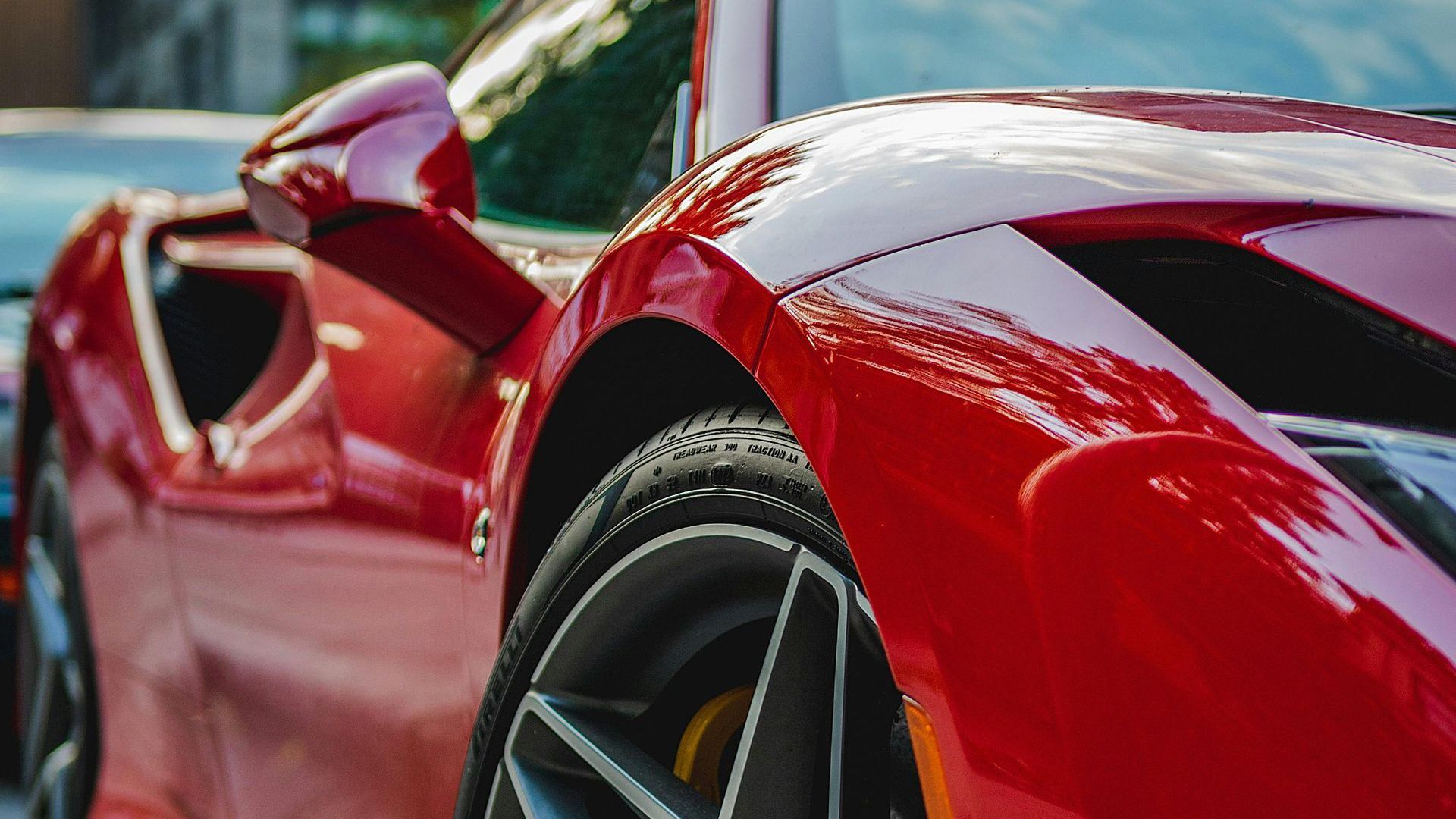
Ceramic coating delivers a glossy, mirror-like, wet-look shine that increases paint depth and clarity. It makes colors appear more vibrant and reflective than factory paint alone.
That visual upgrade is one reason ceramic coating can help a vehicle present better at trade-in or resale. A vehicle that looks deeper, cleaner, and more consistent often presents better at trade-in or sale time, especially when the finish has been maintained correctly.
Exterior detailers often pair coating work with paint restoration because the coating magnifies whatever's underneath. If the surface is corrected first, the gloss looks sharper. If the finish still has swirls or haze, the coating can preserve those defects underneath the cured film.
Durability and Longevity: How Long Does Ceramic Coating Last?
Professional ceramic coatings last several years. Many SiO2-based coatings provide 1-3 years of protection, while some premium SiC-based systems are designed for significantly longer service life. Ceramic coating is semi-permanent, not permanent, and it lasts far longer than wax.
Traditional wax usually lasts only 1-2 months, so it needs frequent reapplication. Ceramic coating gives owners a longer protection cycle and fewer maintenance resets over the life of the vehicle.
That durability depends on the coating chemistry, the prep work, and how the vehicle is maintained after installation. Proper preparation is especially important because contamination, oxidation, and surface defects can interfere with coating adhesion.
Curing Time and Initial Care
Most professional ceramic coatings require the vehicle to remain dry for at least 24-48 hours after application, although exact curing requirements vary by product. That curing window allows the coating to set properly before the vehicle is exposed to water or routine washing.
Detailers usually recommend keeping the vehicle dry during that time and avoiding aggressive washing even after the first cure window ends. The finish continues to stabilize after application, so early care matters.
High Performance Auto Detail treats this stage as part of the installation, not an afterthought. The first 24-48 hours are especially important because the coating needs time to cure before exposure to water and routine washing.
Maintenance Benefits: Easier Cleaning and Care
Ceramic coating makes vehicle maintenance easier because dirt and grime don't stick as readily to the hydrophobic surface. That means less scrubbing, less wash effort, and less effort during each maintenance wash.
Wax doesn't offer the same maintenance efficiency because it breaks down faster and needs reapplication every 4-6 weeks. Ceramic coating requires less frequent reapplication, which saves time for owners who want easier care without constant upkeep.
The coating doesn't eliminate washing, but it does make washing faster by allowing dirt and contaminants to release more easily. Dirt releases more easily, and less scrubbing is generally needed compared with untreated paint.
Paint Correction and Surface Preparation Requirements
Ceramic coating requires thorough surface preparation before application, while paint correction is recommended when the paint has swirls, scratches, oxidation, or other defects. The coating preserves the condition of the surface underneath, so defects should be corrected first if the goal is a clean, glossy finish.
Detailers begin with decontamination, then inspect the paint for swirls, oxidation, and etched spots. If needed, polishing removes defects and levels the clear coat so the coating bonds to a better surface.
This step matters because ceramic coating doesn't hide damage. It enhances the finish that already exists, which is why poor prep can lead to disappointing results even with an excellent product. Service pages like paint correction and ceramic coating in Oceanside usually pair well with this topic because prep and coating are part of the same process.
Jose Junco, IDA CD-SV certified detailer and founder of High Performance Auto Detail, puts it this way: "After more than 20 years in this industry, the most common mistake I see is coating applied over paint that hasn't been corrected first. Ceramic coating doesn't hide swirl marks or oxidation. It seals them in, sometimes for years." That perspective comes from hands-on work across daily-driver Toyotas, Porsches, exotics, and classics along the North County coastline.
Ceramic Coating vs. Wax: Key Differences
Ceramic coating lasts years and forms a durable chemical bond with the prepared paint surface, while wax lasts weeks to months and forms a temporary protective film on top of the paint. Ceramic also provides stronger protection against environmental contaminants.
Wax is a malleable solid made from natural carnauba or synthetic polymers. It sits on the surface rather than bonding at the molecular level, which is why it wears off faster and needs more frequent renewal.
That difference changes nearly everything: durability, maintenance, protection, and long-term cost. Ceramic coating is a paint protection system, while wax is a short-term finish enhancer.
| Feature | Ceramic Coating | Wax |
|---|---|---|
| Bond type | Chemical bond with prepared surface | Temporary protective film |
| Durability | Several years | 1-2 months |
| Reapplication | Much less frequent | Every 4-6 weeks |
| Protection | Superior against contaminants | Limited, short-term protection |
| Appearance | Glossy, mirror-like, wet-look shine | Warm, rich glow with depth |
Appearance Comparison: Ceramic vs. Wax
Ceramic coating produces a glossy, mirror-like finish, while carnauba wax delivers a warm, rich glow with depth. Both improve appearance, but they create different visual styles.
Ceramic coating tends to look sharper and more reflective, which suits owners who want a crisp wet-look shine. Wax looks softer and warmer, which some enthusiasts prefer on classic colors and older finishes.
The best choice depends on the desired aesthetic. Ceramic emphasizes clarity and reflection, while wax emphasizes warmth and depth.
Heat Resistance: Ceramic vs. Wax
Ceramic coating generally has greater heat resistance than traditional wax, which can soften or degrade more quickly under prolonged high-temperature exposure. That makes ceramic more practical in hot climates and on high-performance vehicles.
San Diego sun, engine heat, and repeated summer exposure can shorten wax life quickly. Ceramic coating stays more stable under those conditions, so the finish remains protected longer.
Types of Ceramic Coating: Professional vs. Consumer Grade
Ceramic coating comes in professional-grade and consumer-grade formulas. Professional-grade coatings are typically installed by trained detailers and may require multiple days for preparation, application, and curing, while consumer-grade options are designed for DIY application and generally have simpler application requirements.
The main difference is formulation, durability, application requirements, and installer involvement. Professional formulas are built for longer performance and are often installed by trained detailers, while consumer formulas are designed for easier use and lower cost.
High Performance Auto Detail uses product knowledge and multi-day prep to match the right coating to the vehicle. The goal isn't just a shiny finish; it's a coating system that fits the owner's expectations and driving conditions.
| Grade | Description | Typical Install Time | Primary Advantage |
|---|---|---|---|
| Professional Grade | Installer-applied formulas designed for long-term protection | 1-4 days, depending on prep and curing | Superior durability |
| Consumer Grade | DIY products designed for owner application | Typically hours to 1 day | Lower cost and easier application |
Where Can Ceramic Coating Be Applied?
Ceramic coating can be applied to paint, wheels, glass, plastics, and trim. That makes it a multi-surface protection system, not just a paint-only treatment.
Wheel coating helps reduce brake dust buildup, while glass coating improves water shedding on windshields. Plastic and trim coatings help protect against fading and staining, especially on exterior parts exposed to UV rays.
Because the coating works on several materials, owners can protect the vehicle as a whole rather than a single panel. That broader coverage is one reason ceramic coating has become common in full exterior detailing packages.
Ceramic Coating Cost and Investment
Ceramic coating costs more upfront than wax or polymer sealant alternatives, and that cost reflects the chemistry, the labor, and the surface preparation involved. Paint correction, when needed before application, accounts for a significant share of the total investment.
Viewed over the vehicle's life, the calculation changes. Fewer wash sessions, slower paint degradation, and stronger resale presentation can reduce ongoing maintenance costs over time. Owners who track long-term maintenance value may find that the cumulative cost of repeated waxing over several years approaches or exceeds the upfront cost of a professional ceramic coating. A side-by-side comparison of ceramic coating, paint sealant, and wax should consider how long each option lasts, what surface preparation it requires, and what the ongoing care routine looks like.
Common Ceramic Coating Myths Debunked
Ceramic coating doesn't eliminate the need to wash your car, isn't permanent, and doesn't peel off when it fails. It wears away gradually, and water beading declines over time. That gradual failure is one reason owners sometimes miss the decline until performance changes. The surface can still look good for a while, even as the hydrophobic effect becomes weaker as the coating ages.
Ceramic coating is also not a substitute for paint correction. If the paint is scratched, swirled, or oxidized before application, the coating will preserve that condition under a glossy layer. High Performance Auto Detail blog content and owner education often address these myths because exaggerated marketing can create unrealistic expectations.
Beyond Automotive: Industrial Applications of Ceramic Coating
Ceramic coating technology extends beyond cars into industrial applications such as corrosion protection, friction reduction, and electrical insulation. These uses show that the chemistry is built for performance, not just appearance.
Manufacturing sectors use similar materials when surfaces need heat stability, reduced wear, or protection from harsh environments. These industrial applications illustrate how ceramic-based coatings can be engineered for properties such as heat resistance, wear resistance, and corrosion protection.
Similar ceramic-based coating technologies are used in industrial environments where surfaces need protection from heat, wear, corrosion, or chemical exposure.
Professional Ceramic Coating in North County San Diego
High Performance Auto Detail offers hybrid in-shop and mobile ceramic coating services in Encinitas, Oceanside, Carlsbad, and surrounding North County areas. Since 2014, Jose Junco has combined IDA dual-certification (CD-SV), Renny Doyle Detailing Success Network training, and Air Force One restoration work to develop a preparation and coating process built on technical precision.
That background matters because ceramic coating demands clean prep, accurate application, and disciplined curing. The service starts with paint correction and surface preparation, then moves into coating application and controlled curing for lasting results.
North County drivers often want long-term paint protection that fits their schedule, whether that means dropping the vehicle at the Encinitas studio or scheduling mobile service at their location. Related pages like ceramic coating in Encinitas, ceramic coating in Oceanside, auto detailing, and engine detailing help connect the educational path to service options.
Final Thoughts
Ceramic coating can be a significant paint protection investment, and the results depend heavily on surface preparation, product selection, and proper aftercare. The coating chemistry matters, but prep quality, curing discipline, and realistic maintenance habits determine whether that chemistry performs the way it should.
FAQs
How does ceramic coating work on cars?
Ceramic coating works by chemically bonding to the clear coat and forming a thin hydrophobic protective film. The coating chemically bonds to the prepared clear-coat surface, creating a durable protective film that improves water repellency and resistance to environmental contaminants. That bond helps reduce the direct impact of water, UV exposure, and environmental contaminants on the underlying paint, making the surface significantly easier to clean after each wash.
How long does ceramic coating last?
Ceramic coating lasts several years, with many SiO2-based coatings providing 1-3 years of protection while some premium SiC-based systems are designed for significantly longer service life. Wax usually lasts 1-2 months and needs reapplication every 4-6 weeks, so the durability gap is significant. Longevity depends on the coating formula, the quality of surface prep before application, and how consistently the vehicle is maintained after the initial curing period.
Is ceramic coating worth it?
Ceramic coating is worth it for owners who want easier maintenance, stronger paint protection, and a well-maintained finish that can present better at resale over the vehicle's life. The upfront cost is higher than wax or sealant, but the coating lasts years with minimal reapplication. High Performance Auto Detail clients in Encinitas and Oceanside typically choose ceramic coating for long-term protection after paint correction, not as a short-term cosmetic upgrade.
What surfaces can ceramic coating protect?
Ceramic coating protects paint, wheels, glass, plastics, and exterior trim. Each application bonds to a different surface type and provides hydrophobic protection suited to that material. Wheel coatings reduce brake dust adhesion, glass coatings improve water shedding on windshields, and trim coatings slow UV fading on exterior plastics. That multi-surface coverage makes ceramic coating more versatile than products that only protect painted panels.
Can ceramic coating replace paint correction?
Ceramic coating cannot replace paint correction because it preserves the surface condition that already exists underneath. Swirl marks, oxidation, and light scratches must be corrected before coating, or the coating can preserve those defects underneath the cured film. Depending on the condition of the paint, a 1-step or 2-step polishing process can significantly reduce or remove many visible defects and create a cleaner surface for coating.
What is the difference between ceramic coating and wax?
Ceramic coating chemically bonds to the prepared paint surface and can provide protection for several years, while wax forms a temporary protective film that typically lasts one to two months. Wax delivers a warm, rich glow and costs less upfront, but needs reapplication every 4-6 weeks. Ceramic coating provides stronger protection against UV rays, salt air, and chemical contaminants, with far less maintenance effort over the life of the vehicle.
About the Author
Jose Junco
Owner-Operator, High Performance Auto Detail
IDA CD-SV dually certified and a graduate of Renny Doyle's Detailing Success Network, Jose has 20+ years in the auto detailing industry and founded High Performance Auto Detail in 2014. He works on daily drivers, classics, and exotics across coastal San Diego County, specializing in ceramic coating, paint correction, and precision surface preparation.
Last updated: September 2026.